Online Talk: Quaker Meeting Houses

  • 24 February 2026
  • Online
  • 6:00pm - 7:00pm

Join HB&P for an online talk on Quaker Meeting Houses with Chris Skidmore on Tuesday 24th February 2026, 6–7pm. This talk will explore the distinctive architectural features of Quaker meeting houses and their evolution over more than four centuries.

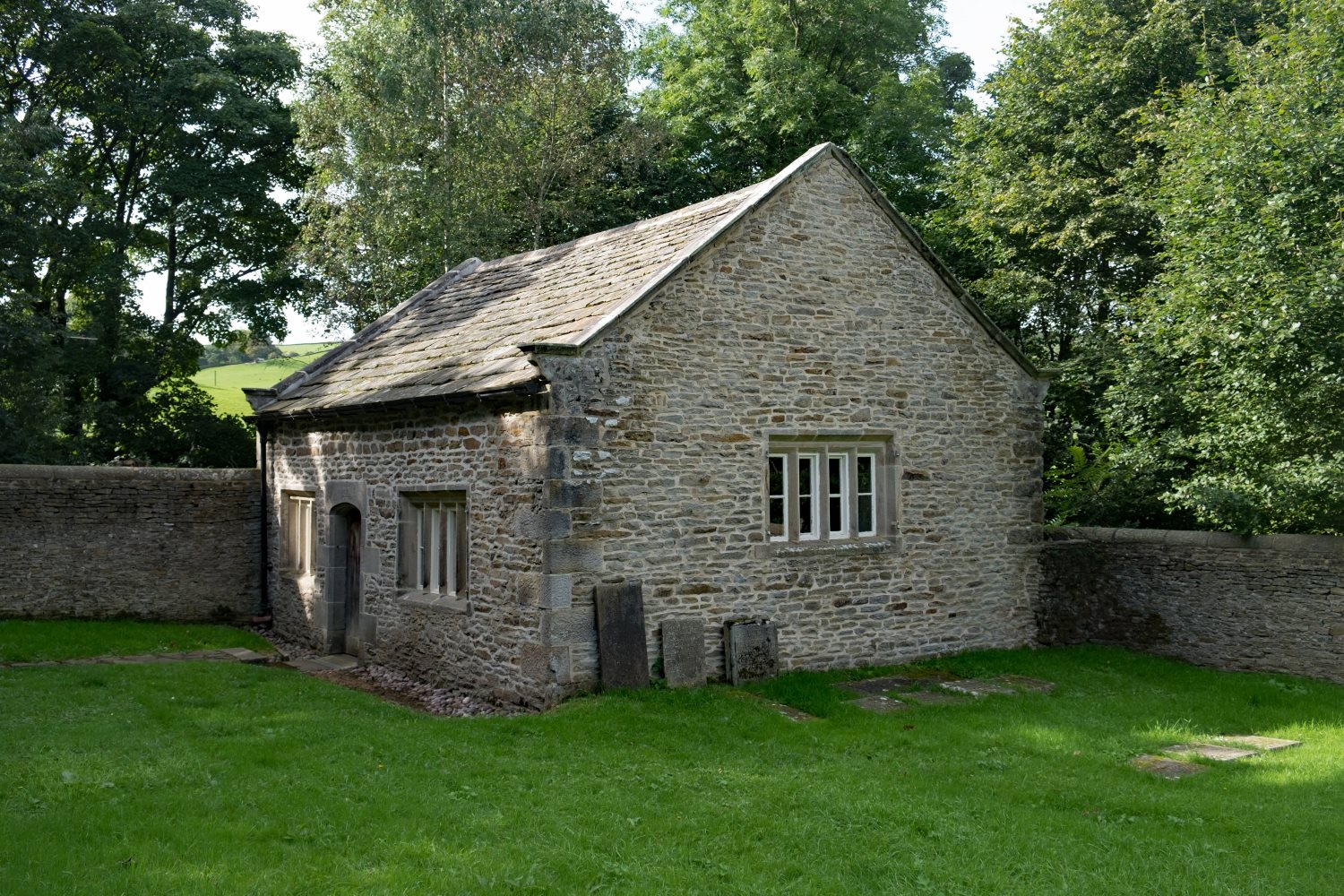
Quaker meeting houses are usually thought of as simple and direct as the dependence of the Friends on worshipping in silent waiting without liturgy.

Nevertheless these buildings do have a number of distinctive features and they are not without architectural interest. As Friends moved out from their initial isolation they gradually joined the architectural mainstream.

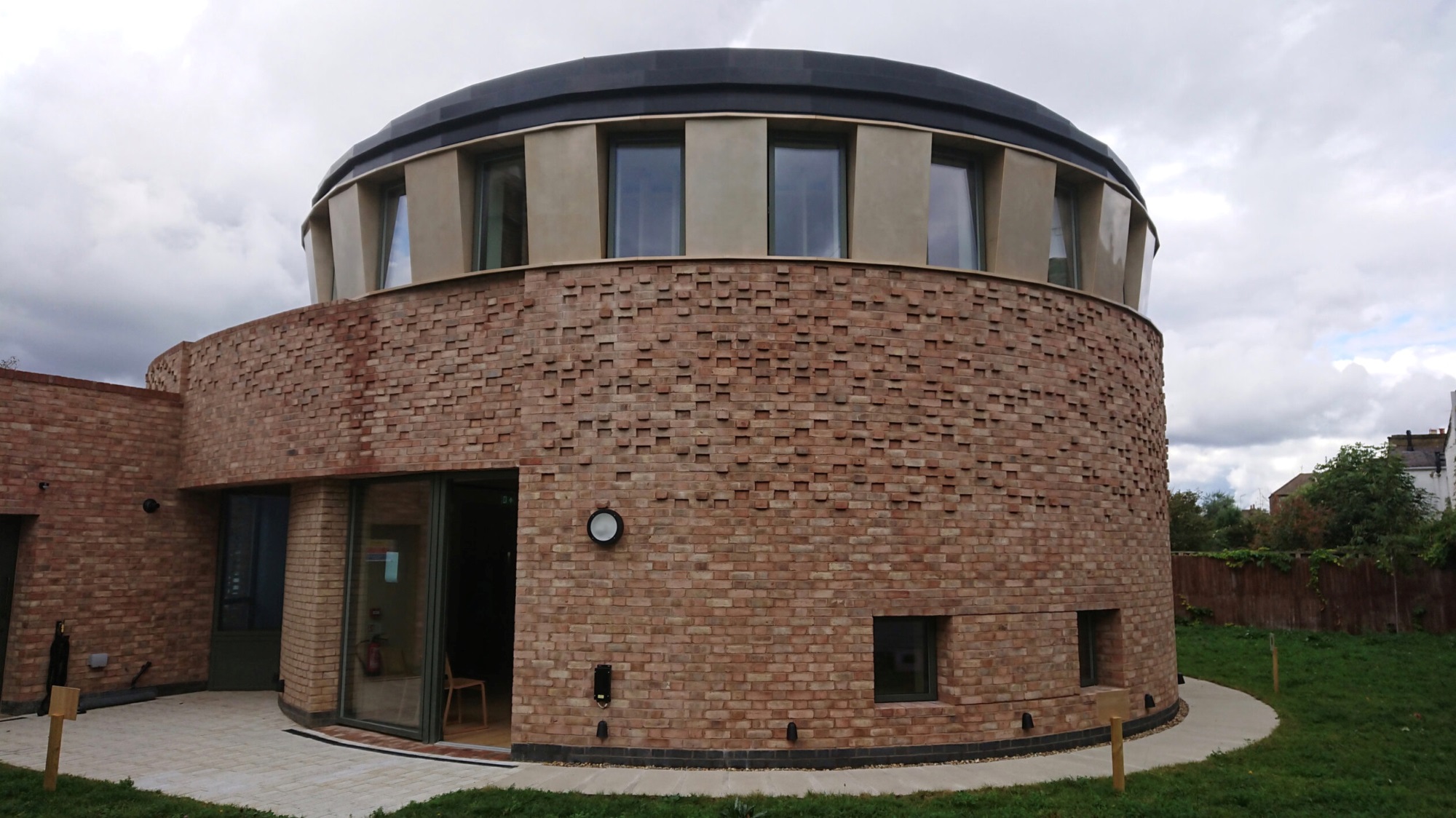
The talk will describe the unique features and survey the range of building types, typical of the Quaker Meeting House, across over four centuries from the simplest vernacular structures to the latest in sustainable architecture.

Chris Skidmore has a general interest in nonconformist architecture but as a Friend himself has written most about Quaker buildings. He was for a number of years the Honorary Editor of The Chapels Society.

Tickets are free (with optional donation) for members and £4 for non-members.

Cancellation policy: Refunds can be provided for cancellations 7 or more business days prior to the event.
Latest News

04 December 2025

Historic Buildings & Places Responds to Consultation on the Removal of the Gardens Trust and the Theatres Trust as a Statutory Consultee

The Government is currently consulting on substantial changes to the statutory consultee system, including proposals to remove the Gardens Trust ...

Next Event

Online , 20 January 2026

Online Talk: Churches and Chapels: an overview of HB&P Ecclesiastical Casework

Our Ecclesiastical Caseworker, Matthew Saunders, will present details of recent cases he has been working on, highlighting the practical and ...
Privacy Overview

This website uses cookies so that we can provide you with the best user experience possible. Cookie information is stored in your browser and performs functions such as recognising you when you return to our website and helping our team to understand which sections of the website you find most interesting and useful.