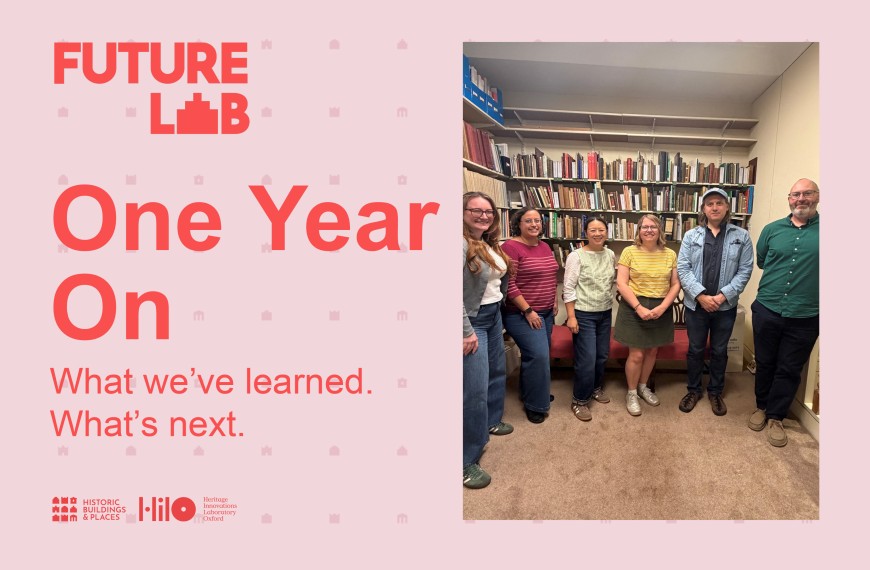
Over the course of their 7-week placement to explore business models across the heritage sector and identify strategies for financial success, our brilliant team of 5 students from the Worcester Polytechnic Institute, Massachusetts, carried out:
- A detailed analysis of HB&P’s current business model and financial situation
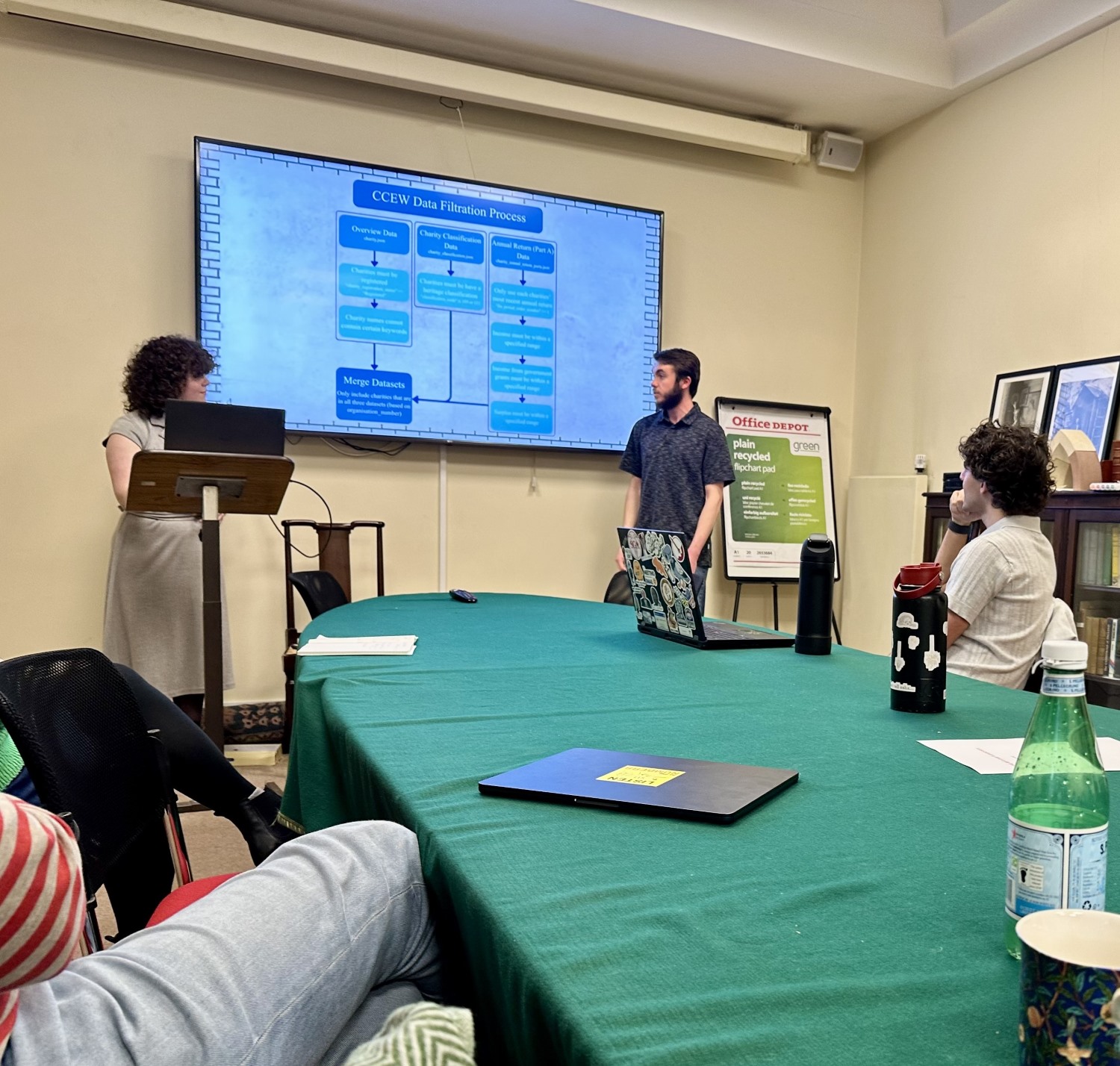
- A broad quantitative analysis of publicly accessible data from charities registered on the website of the Charity Commission for England and Wales
- In-depth case studies of four heritage organisations (The Landmark Trust, the Association for Industrial Archaeology, London Parks & Gardens, and the Heritage Network), analysing the data from their annual reports and comparing it to the qualitative data collected via interviews with key individuals from those organisations
Their research identified several common trends across the heritage sector. Typical challenges included an aging and shrinking membership audience, slow organisational adaptation, and dependence on a primary income stream.
However, in contrast, the students found that stronger-performing charities typically had a very clear, focussed mission and all of their activities and communication were mission-led. They also proactively built partnerships with other organisations, collaborated on shared membership outreach, and purposely pursued strategies to engage with younger audiences.
So what could this mean for HB&P and our goal to become more financially sustainable while also expanding our impact on the heritage sector?
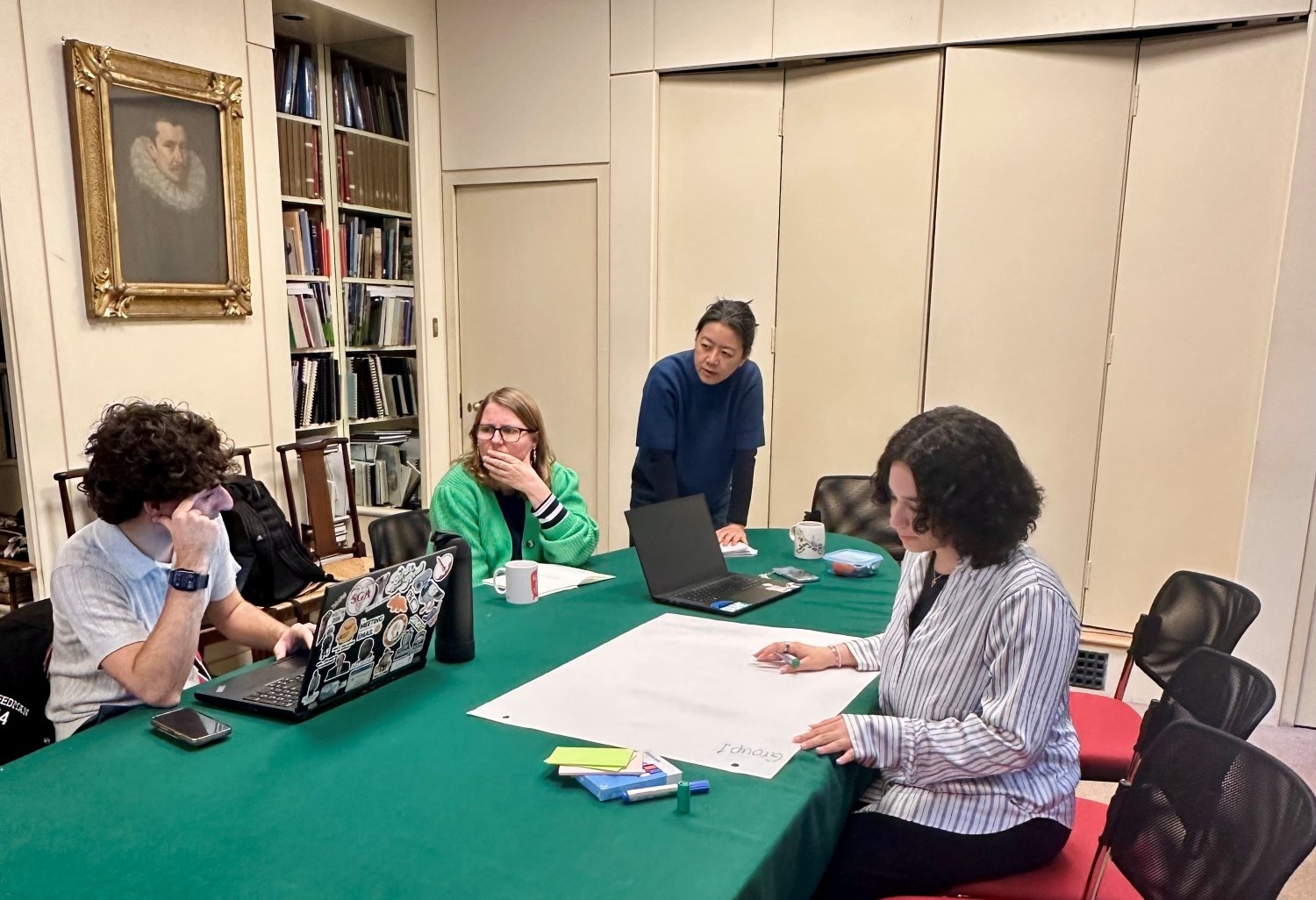
The students took all the insights that they had learned from their research and invited the HB&P and HILO teams to a roundtable, where they presented 6 draft recommendations for discussion. By the end of the session, the recommendations had been refined into 3 key ideas:
- The creation of a youth forum to encourage young people to engage with HB&P
- To actively seek out community partners
- To introduce a reworked membership tier structure and publication access, for example by offering a discounted student membership or moving publications to a digital or hybrid access model
These recommendations can now be added to the pool of ideas that we are gathering as part of our Future Lab project as we re-examine HB&P’s purpose and develop our new strategy. More work is needed to fully explore their functionality and viability, but the WPI students’ fantastic work has kickstarted our thinking and given us a solid, evidence-based foundation to build up from.
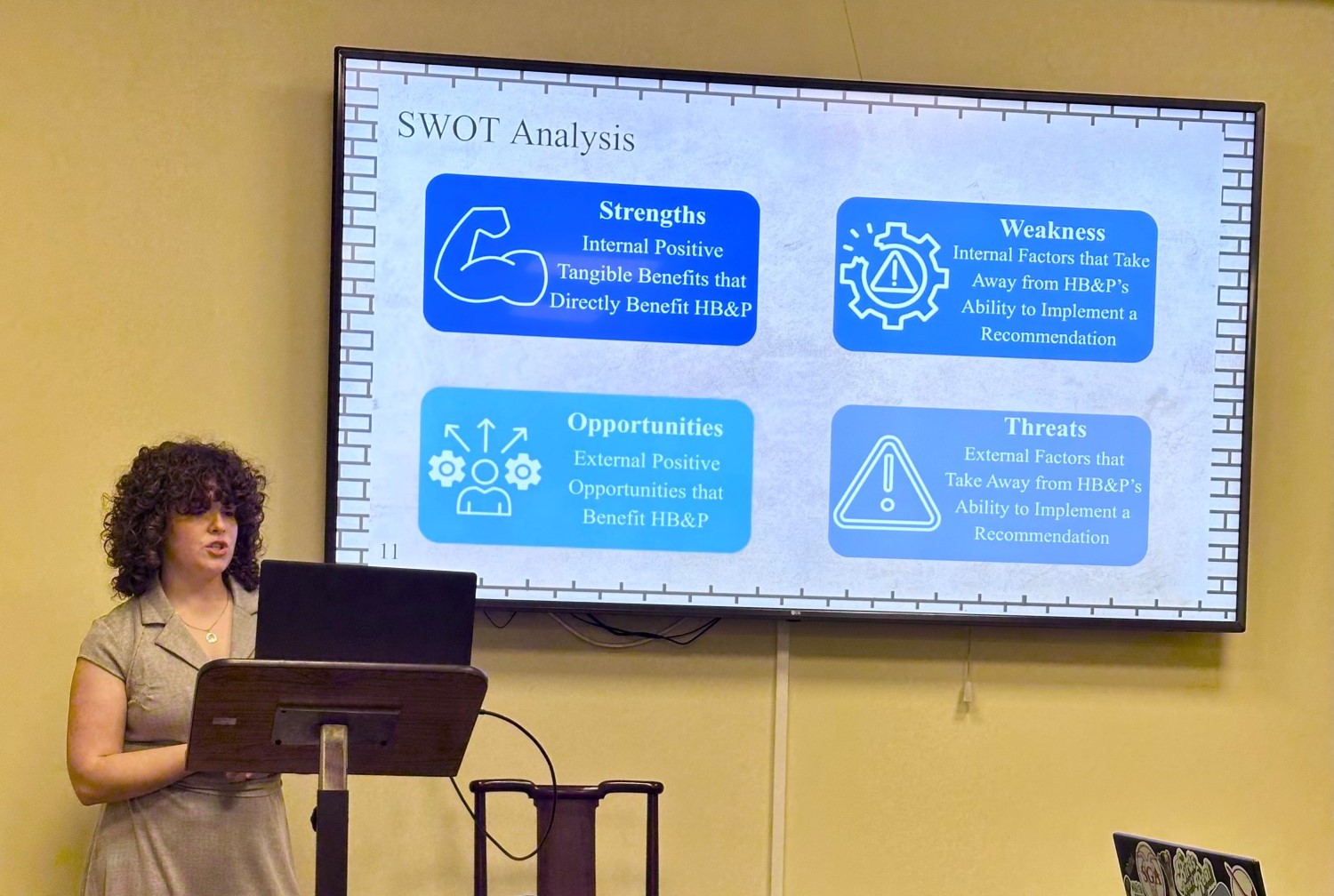
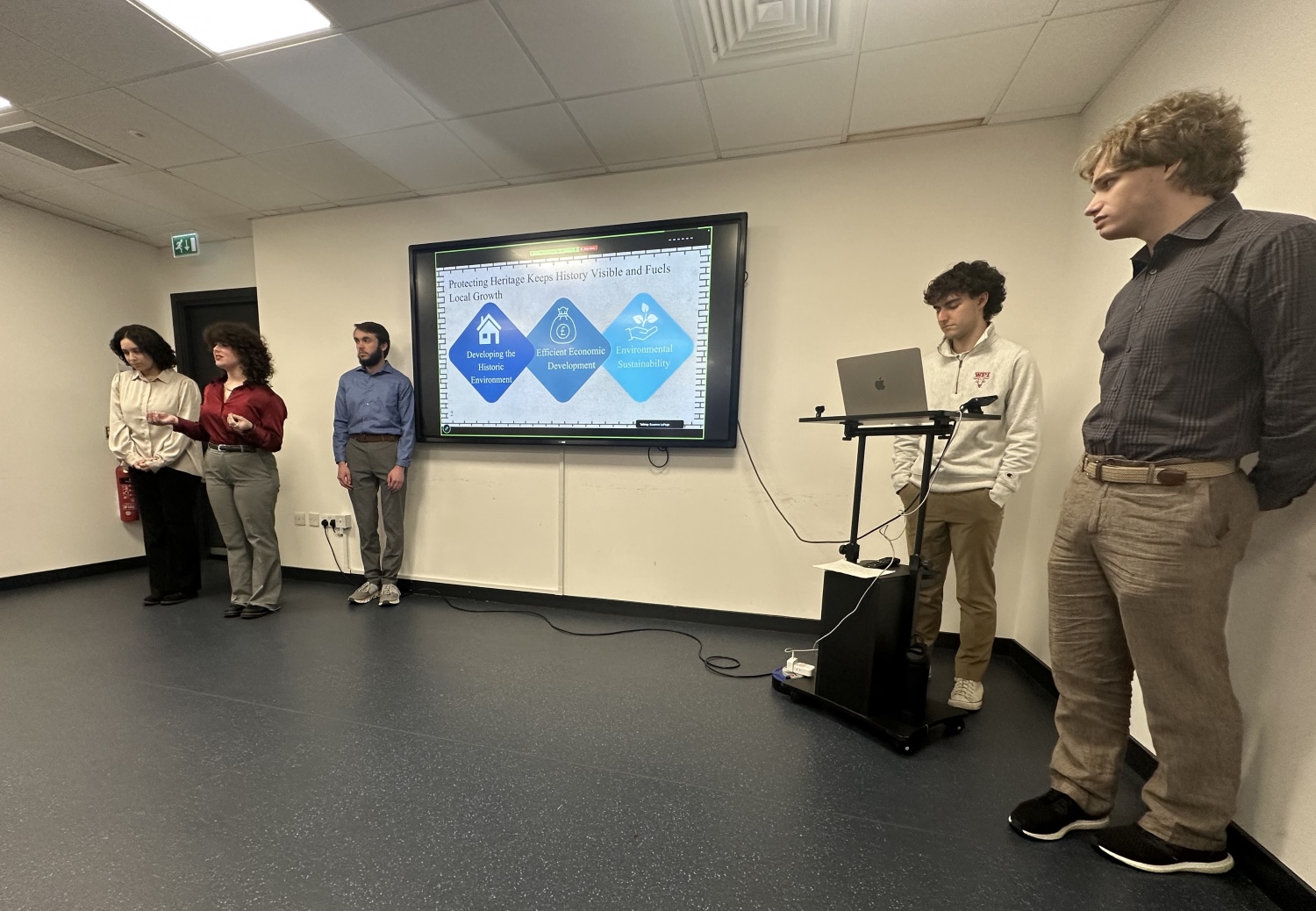
At the end of their placement, the students gave a final presentation of their research and findings to the HB&P and HILO teams, as well as to their tutors, other WPI teams who had undertaken placements at other heritage organisations in London, and to their families at home via livestream. The students gave a smooth, confident, concise and engaging presentation, and our staff were incredibly proud of them!
So to Nina, Chaz, Henry, Yara and Daniel – thank you all so much, well done, and good luck for the future!
Words by:
Christina Avramakis, HB&P Operations and Development Manager