A town that developed and grew around the needs of the Great Western Railway, thanks to the jobs provided by the locomotive works that operated from 1843-1986, Swindon is rich in heritage but holds an ambition not only to protect its history, but also to become a modern, vibrant, sustainable and overall desirable place to live.
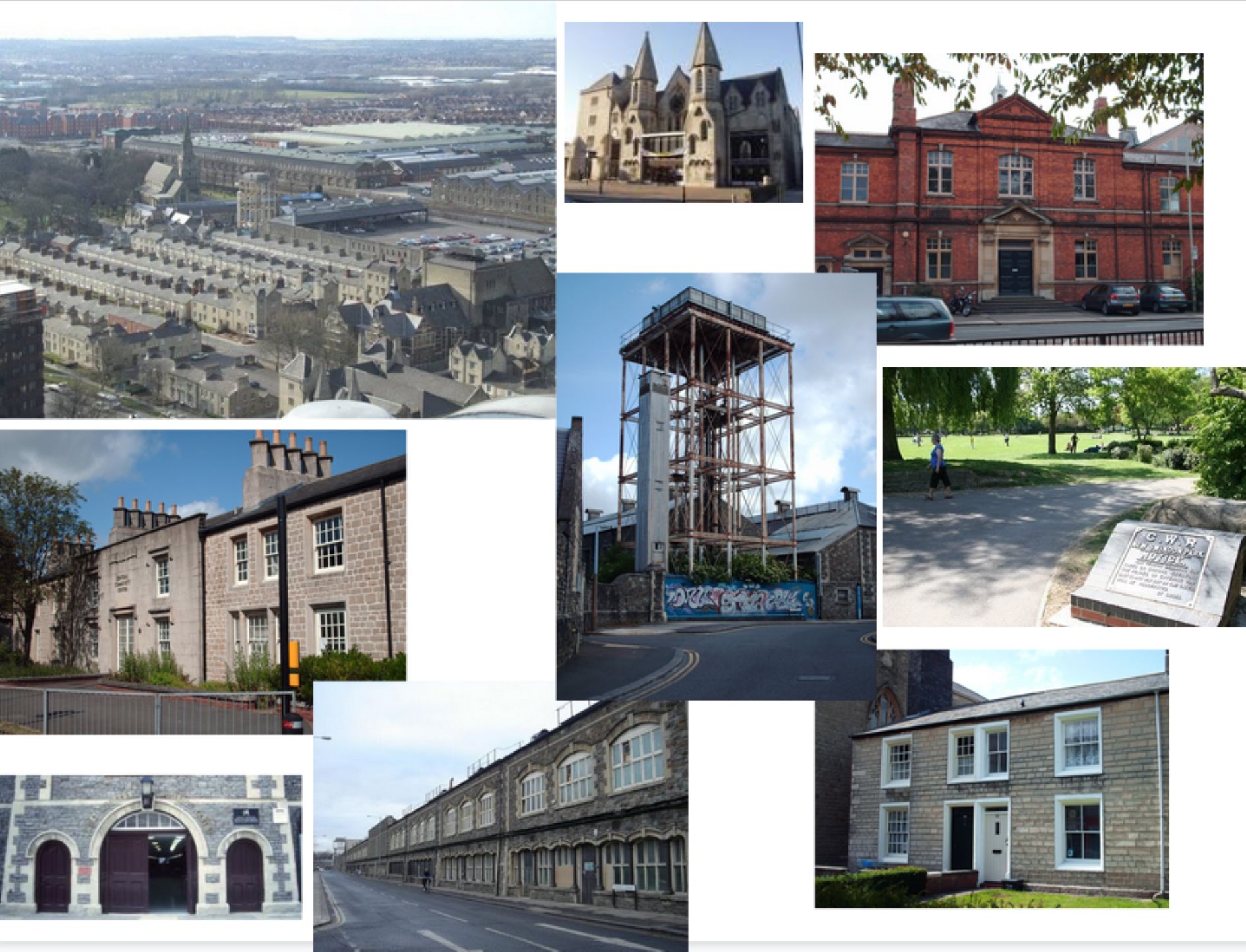
On this visit we’ll discover many of the cherished 19th century buildings built for the railway workers and learn how they have been sensitively restored so that they can remain an important part of Swindon’s future.
We’ll start with a tour of the Railway Village from the Swindon Heritage Preservation Trust, hearing about their restoration work and the new lease of life given to five of the buildings in their care:
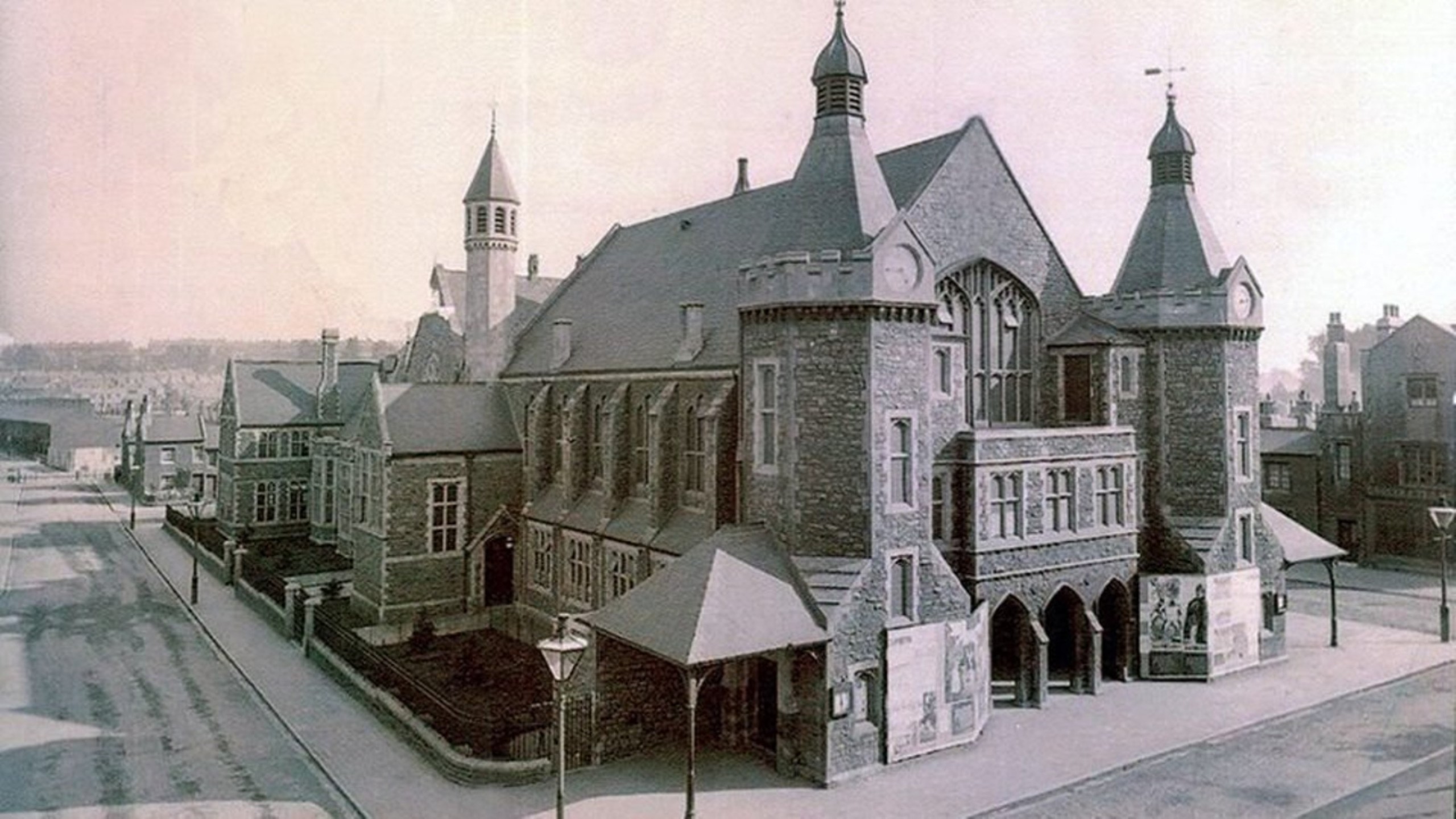
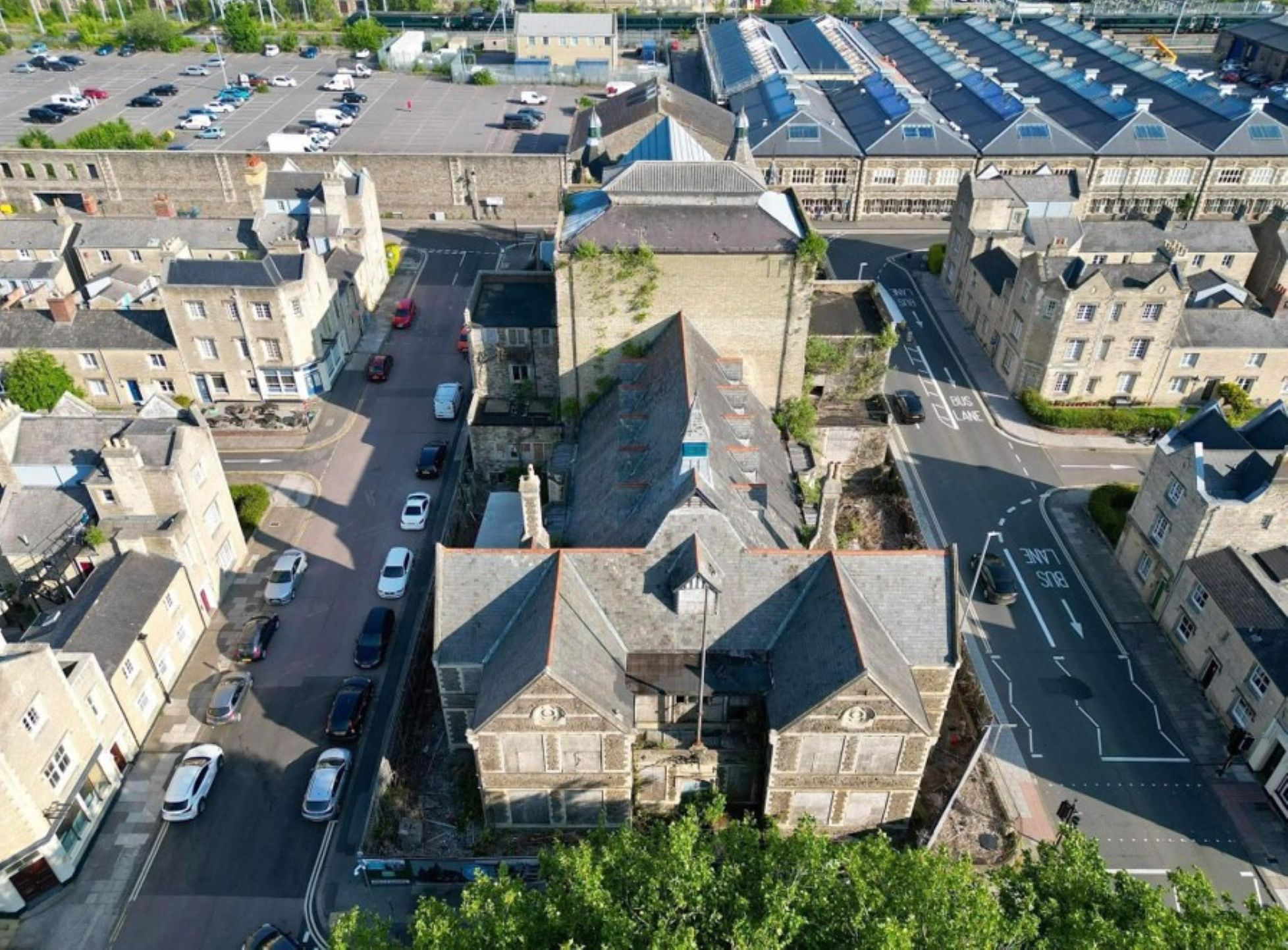
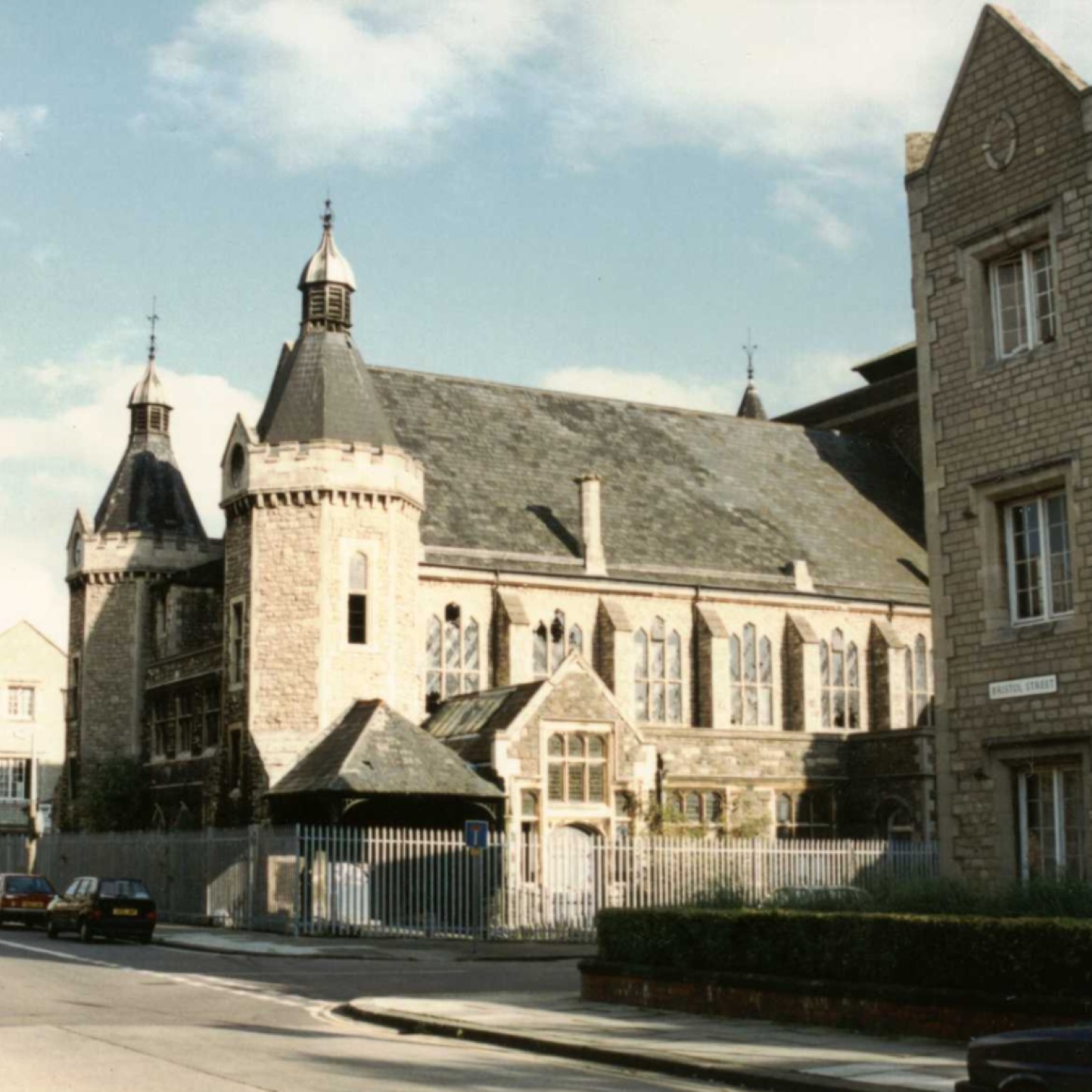
- The Mechanics’ Institute – Opened in 1855 as a social, educational, and community centre, the building has been left to deteriorate since it closed in 1986 and is now derelict; the Preservation Trust is working with Swindon Council on a plan to rescue it.
- Central Community Centre – Built in 1862 as an Armoury to serve the XI Wiltshire Volunteer Rifle Corps, it was then converted into the GWR Medical Fund Hospital in 1871. Now it serves as an important hub for the community.
- The Railway Village Museum – This 1840s cottage was originally the home of the GWR Works’ foreman, and has since been turned into a ‘Living Museum’.
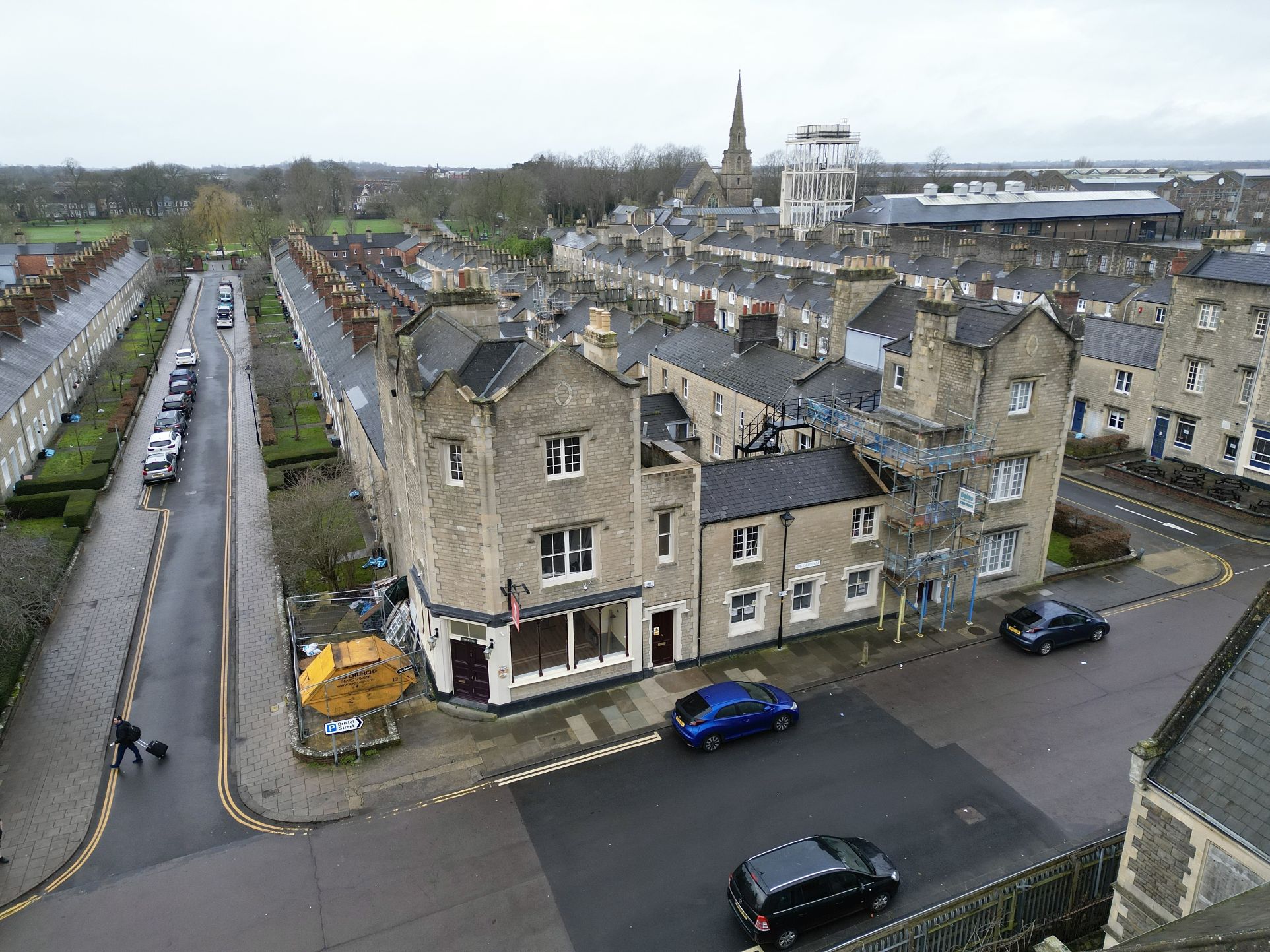
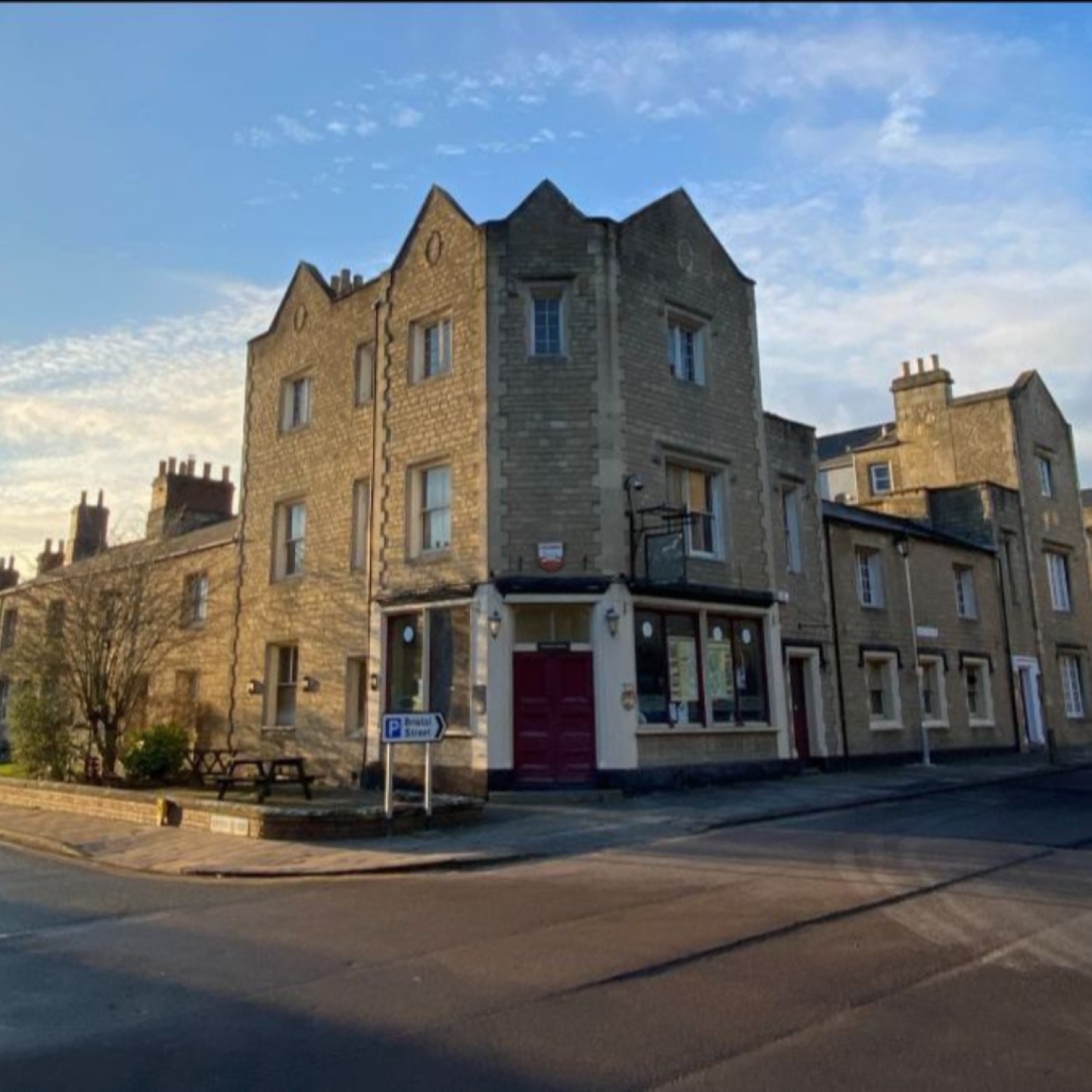
- The Cricketers’ – Built in 1846, it has spent most of its life as a pub and flats. It is currently undergoing restoration by the Preservation Trust.
- The Bakers’ (external access only) – A former bakery turned pub, the Bakers’ is now a cosy community space.
Following a break for lunch (not included), we’ll be joined by members of Swindon Council’s Planning and Conservation teams to hear about their social housing retrofit plans for the 300 cottages built in the Railway Village for the GWR workers, and for tours of the recently restored Grade II* Health Hydro – built in 1891 to provide both hygiene and medical services for the GWR workers, with onsite swimming, Turkish baths, and health services – and the 1868 Carriage Works, now a flexible workspace and community events venue.