Join us for an enlightening online talk with Peter Higginbotham, an authority on British institutions of care and confinement, as he traces the history of the workhouse from its origins in the seventeenth century through to the establishment of the welfare state and NHS in 1948.
Although only one element of the welfare system of its time, the workhouse has remained an enduring symbol of past provisions for the poor, shaping perceptions of social care and responsibility.
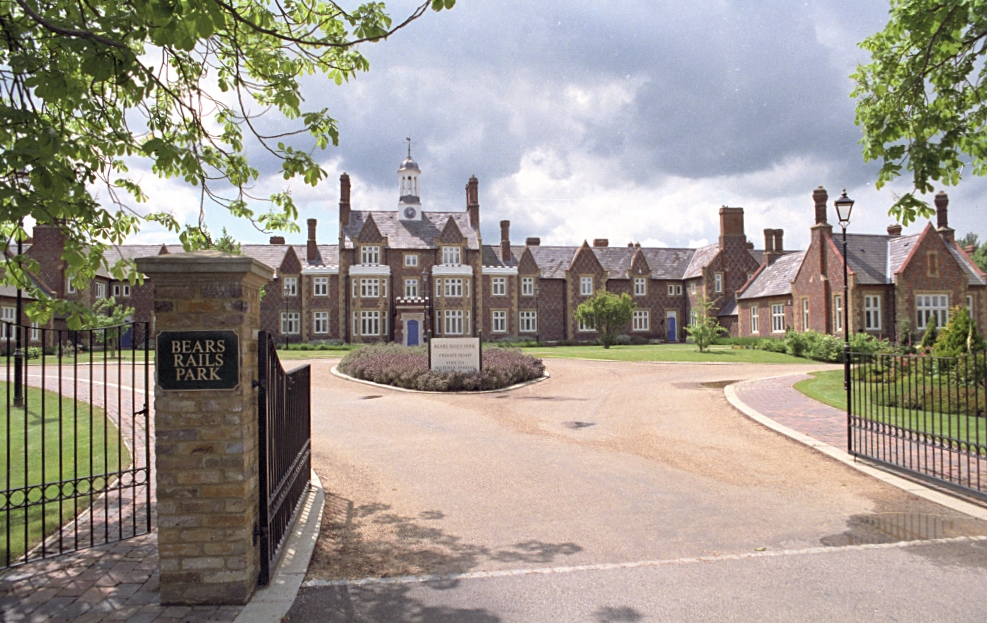
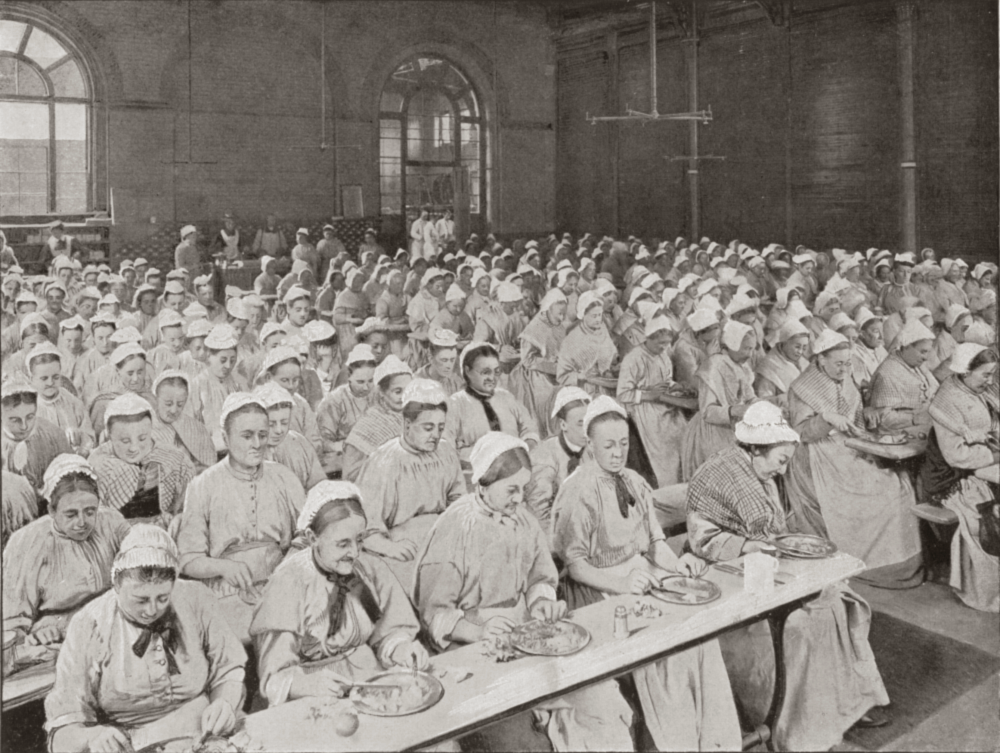
This talk delves into the changing experiences of workhouse inmates over the centuries and charts the fascinating architectural developments of the workhouses themselves. Peter will also explore what happened to the many buildings that once served as refuges for the nation’s impoverished.
Peter Higginbotham has authored numerous books on British institutions, including The Workhouse Encyclopedia and The Workhouse Cookbook. He created the comprehensive website workhouses.org.uk and has appeared on television programmes such as Who Do You Think You Are?, Heir Hunters, and The Great British Dig.
Tickets are free (with optional donation) for members and £4 for non-members.
If you missed the live talk, but would like to watch the recording, please purchase a ticket below and a link to the recording will be sent to you.