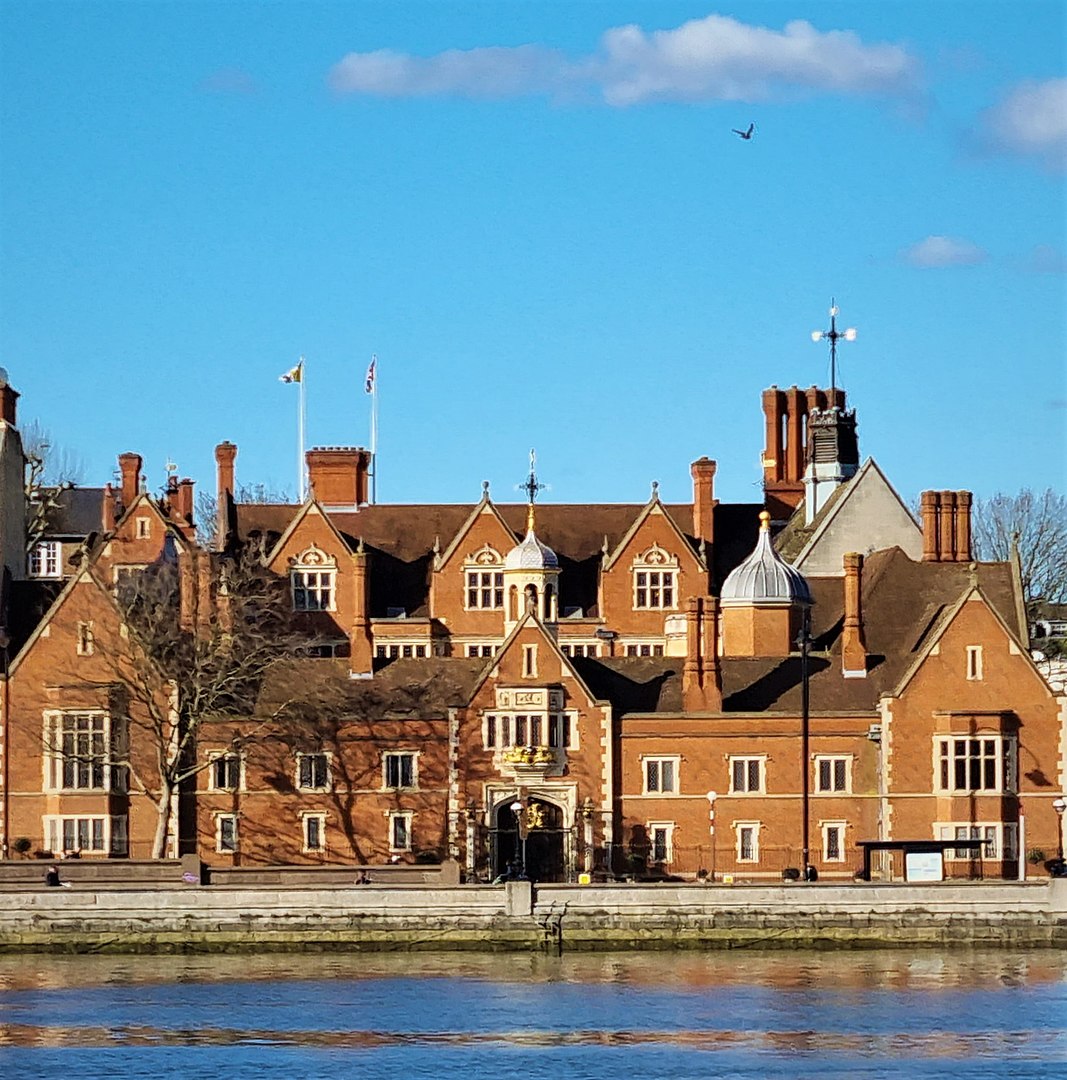
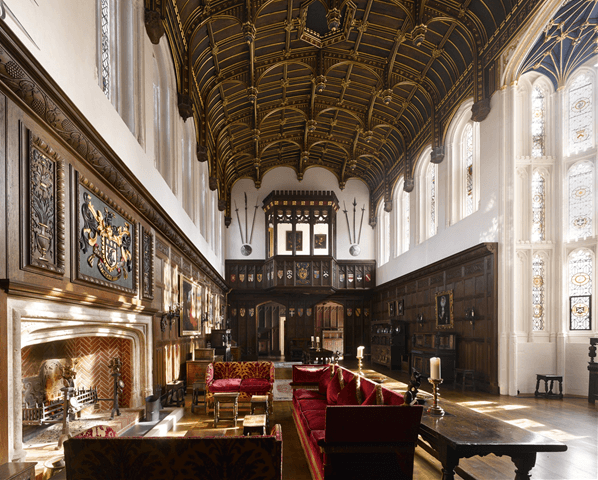
Crosby Moran Hall is one of London’s most significant surviving medieval domestic buildings, with origins dating to between 1466 and 1475. It was originally built in Bishopsgate by Sir John Crosby, a wealthy textile merchant, and was considered one of the finest houses in the city at the time.
The house has had a varied and eventful history, passing through the hands of notable figures including Sir Thomas More, who leased it in the early 16th century. Despite escaping the Great Fire of London in 1666, the house suffered from two serious fires in the 1670s, but managed to be saved. Its purpose then changed, its large spaces used for meetings and as warehouse storage, and later in the 19th century, a restaurant.
In the early 20th century, the building faced demolition following its acquisition by the Chartered Bank of India, Australia and China. However, extensive documentation and careful salvage work enabled the structure to be dismantled and rebuilt in 1910 at its current location in Chelsea, opposite Battersea Bridge, under the direction of Walter H. Godfrey. Much of the original fabric was retained and reused in the reconstruction.
Since 1988, the building has been the private home of Dr Christopher Moran, who has undertaken significant restoration work and furnished the interiors with a notable collection of art and historic pieces.